

Why is Rabat the perfect destination for your next trip?
Rabat, the capital of Morocco, proves to be a surprising and multifaceted destination. Far from the hustle and bustle of other imperial cities, it offers a sophisticated, orderly, and peaceful experience, ideal for those seeking an authentic immersion in Moroccan culture.
Recognized as a UNESCO World Heritage Site, Rabat masterfully balances its rich historical past with a vibrant, modern present. Its clean streets, well-maintained gardens, and serene atmosphere invite visitors to take long walks and explore.
The city is a fascinating mosaic of influences, where the Arab-Andalusian legacy intertwines with the heritage of the French Protectorate and a clear vision for the future, making it the perfect starting or ending point for a journey through the country.
Uncovering the History and Culture of Rabat
A Journey Through Time: The Capital's Rich History
Rabat has a rich and fascinating history that began long before it became the capital of Morocco. Its origins date back to the ancient settlement of Sala, on the banks of the Bou Regreg River.
The city we know today was founded in the 12th century by the Almohad dynasty, which built a fortress (ribat) for its troops, giving the place its name.
Over the centuries, Rabat has undergone a transformation. In the 17th century, the city and its neighbor, Salé, became home to the infamous Salé Corsair Republic, a refuge for pirates and Andalusian exiles driven out of Spain.
This multicultural heritage has left an indelible mark on the city’s architecture and spirit. It was during the French Protectorate, in 1912, that Rabat was chosen as the administrative capital, a status it retained after Morocco gained independence in 1956.
The Soul of Rabat: Culture, Art, and Daily Life
Rabat’s identity is evident in its imposing architecture. The ochre-colored walls surrounding the medina, the monumental gates such as Bab Oudaia and Bab Rouah, and the details of its Arab-Andalusian heritage tell a story spanning centuries. However, the city does not live solely on its past.
Modern life thrives in its neighborhoods, where a community of intellectuals, students, and diplomats contributes to Rabat’s serene and cosmopolitan atmosphere.
Creativity flourishes on every corner. The city is home to the country's most important museum, the Mohammed VI Museum of Modern and Contemporary Art, a landmark of the vibrant local art scene.
In addition to the galleries, culture is on full display at major events such as the Mawazine Festival, one of the world’s largest music festivals, which attracts artists and audiences from every continent, celebrating Rabat’s diversity and open-minded spirit.
Things to Do in Rabat: A Guide to Must-See Attractions
Historic Monuments and National Symbols
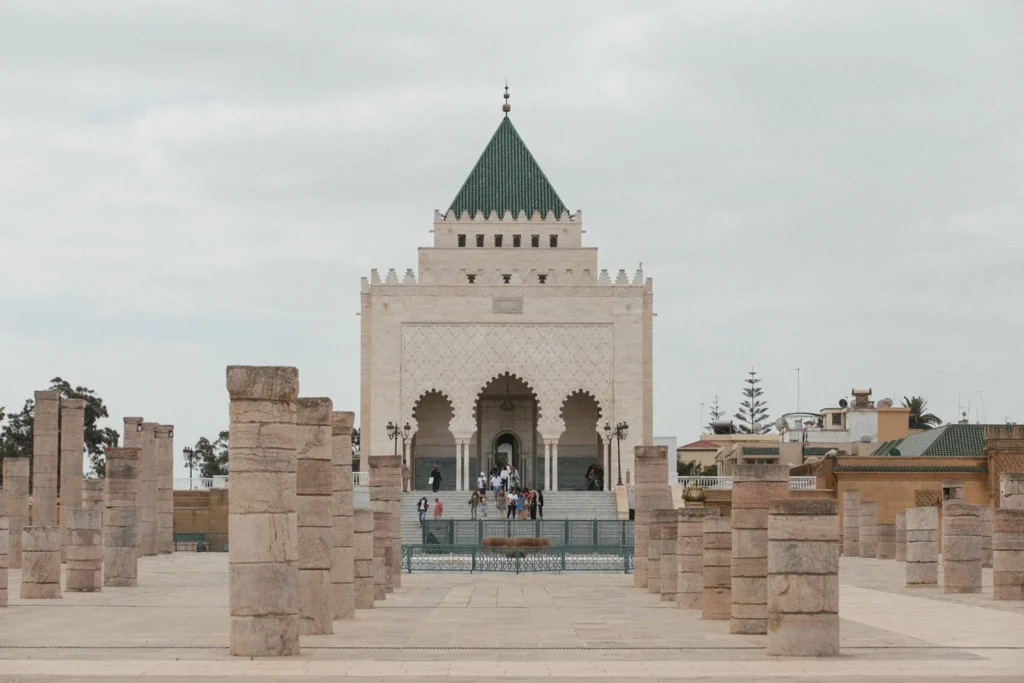
Rabat’s landscape is dominated by monuments that are true national symbols. The Hassan Tower is the most iconic of these. This unfinished minaret, part of an ambitious 12th-century project to build a grand mosque, rises majestically over the city, bearing witness to the grandeur of the Almohad dynasty.
Next to the tower stands the Mausoleum of Mohammed V, a masterpiece of modern Moroccan architecture. With its gold-leaf ceiling, white Italian marble, and intricate details, the mausoleum is a solemn tribute to the king who led Morocco to independence.
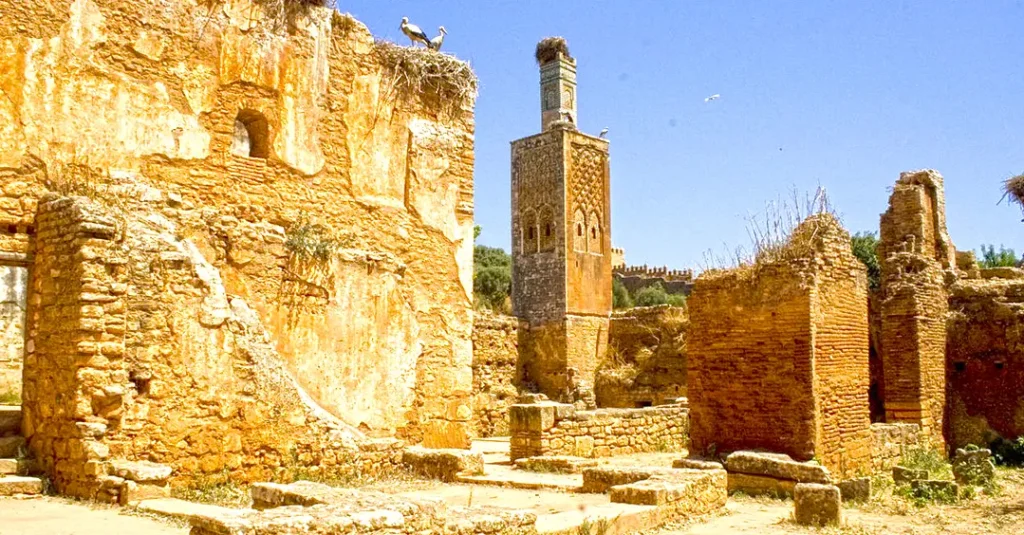
Another must-see attraction is the Chellah Necropolis. This fascinating archaeological site combines ruins of the ancient Roman city of Sala with a medieval Islamic necropolis.
Strolling through its peaceful gardens, among storks that nest in the ruins, is like traveling back in time.
Exploring the neighborhoods and the local vibe
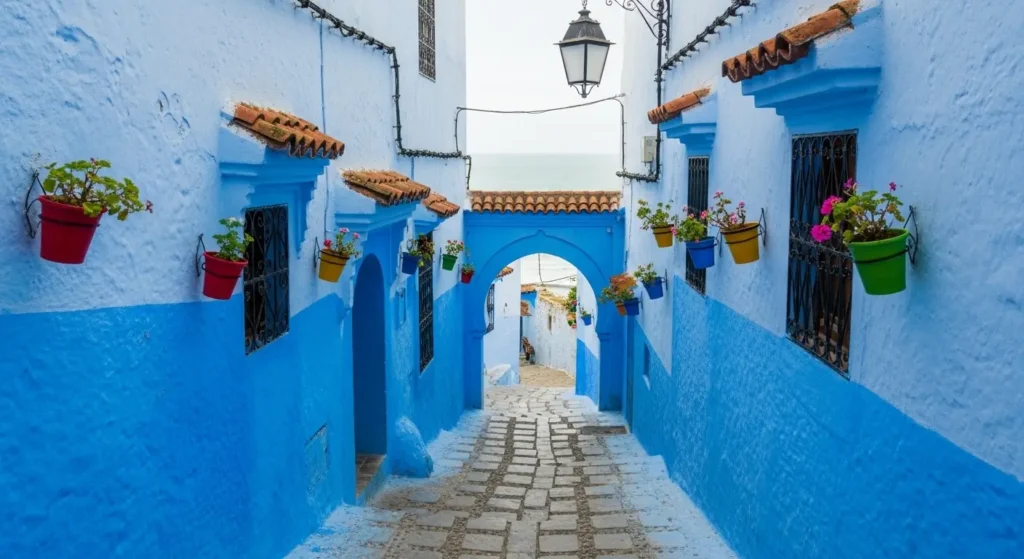
To experience the true essence of Rabat, you have to get lost in its neighborhoods. The Kasbah of the Oudayas is a picturesque fortress, with its narrow alleys painted blue and white, which open up to breathtaking views of the Atlantic Ocean. It’s the perfect place for a relaxing stroll, ending with a mint tea at the famous Café Maure.
The Old Medina of Rabat offers an authentic souk experience, but in a more organized and peaceful setting than in other imperial cities. Here, you can find high-quality handicrafts without being constantly hassled, making for a more enjoyable exploration.
For a glimpse of modern life, the Agdal neighborhood is the beating heart of the city, brimming with cafés, restaurants, and a youthful, student-driven energy. A short boat ride across the river takes you to the neighboring city of Salé, where you can explore its own medina and modern river marina.
Palaces, gardens, and museums
Rabat is a city of palaces, gardens, and culture. Although the Royal Palace (Dar Al Makhzen), the King’s official residence, is not open to the public, its impressive facade is worth seeing from the outside.
Next to the Kasbah, the Andalusian Gardens offer a peaceful retreat, with their lush vegetation and a style reminiscent of the gardens of Granada.
For art lovers, the Mohammed VI Museum of Modern and Contemporary Art (MMVI) is a must-see, showcasing the best of Moroccan and African art. The Museum of History and Civilizations delves into the country’s rich heritage, with artifacts ranging from prehistory to the Islamic period.
Finally, St. Peter's Cathedral, with its Art Deco architecture, stands out as a beautiful symbol of the city's multicultural heritage.
Flavors and Shopping: The Sensory Experience of Rabat
Food: Where and What to Eat
Rabat's cuisine reflects its geography and cosmopolitan culture, offering a delicious fusion of flavors from the sea, the Mediterranean, and the Maghreb. The abundance of fresh fish and seafood from the Atlantic is a hallmark of local menus.
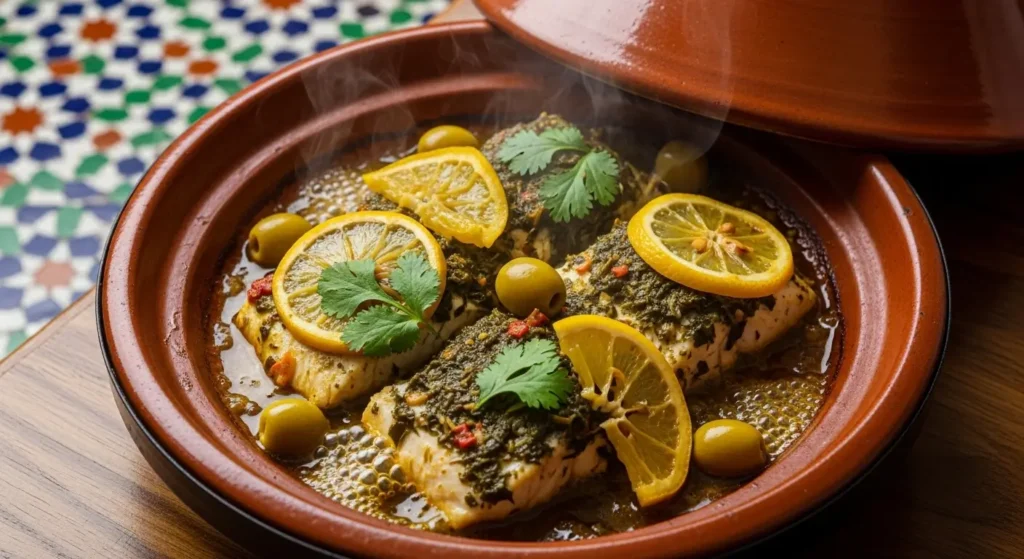
Traditional Moroccan dishes, such as tagine and couscous, are given a unique twist here. Be sure to try the grilled sardines, a local specialty, or a fish tagine with vegetables.
The city offers a wide variety of dining options. For a traditional experience in the heart of the medina, restaurants like Dar Zaki are excellent choices.
If you're looking for something more contemporary, neighborhoods like Agdal and the Marina Bouregreg area are home to restaurants that blend Moroccan cuisine with international influences.
To get a feel for local life, explore Souk el Fellah, a fresh produce market where locals do their daily shopping.
Shopping and Local Handicrafts
Shopping in Rabat is a rewarding experience, especially for those looking for authentic handicrafts. In the medina, you can find a wide variety of high-quality products, such as the famous Moroccan rugs, leather goods, colorful pottery, and aromatic spices.
The more relaxed atmosphere allows you to negotiate prices at your own pace and appreciate the artisans' work.
For a complete immersion in the world of crafts, a visit to the Oulja Complex—also known as the Pottery Village—is a must.
Located in the neighboring town of Salé, this craft center brings together potters, blacksmiths, and other artisans who produce and sell their work directly to the public. It’s the perfect place to buy authentic pottery and watch the masters at work.
Planning Your Trip to Rabat: A Practical Guide
Essential Information for Travelers
Before you set off, it’s helpful to know some basic information. The official currency is the Moroccan dirham (MAD). Although Arabic is the main language, French is widely spoken in Rabat, making communication easier for many travelers.
The standard time zone is GMT+1. For most nationalities, including Brazilians, a visa is not required for tourist stays of up to 90 days; only a valid passport is needed.
The voltage in Morocco is 220V, and the outlets are type C and E (European standard).
When to Go: The Best Time to Visit Rabat
Rabat has a pleasant Mediterranean-Atlantic climate, with mild winters and warm summers, cooled by the ocean breeze. The best times to visit are spring (April through June) and fall (September through November).
During these months, temperatures are mild and ideal for exploring the city on foot, and the gardens are in full bloom. Summer (July and August) can be quite hot, while winter (December through February) is rainier, although temperatures rarely drop very low.
How to Get There and Get Around
Getting to Rabat is relatively easy. The city is served by Rabat-Salé Airport (RBA), with direct flights to several European cities and easy connections from Casablanca.
Morocco has a modern and efficient rail system, making the train an excellent option for traveling to Rabat from other imperial cities such as Casablanca, Marrakesh, or Fez. The train ride is comfortable and offers beautiful scenery.
Getting around the city is easy. Rabat has a modern tram system that connects the main neighborhoods quickly and affordably.
Red taxis (petits taxis) are plentiful and use meters, making them a convenient option for shorter trips.
Where to Stay: Best Neighborhoods and Hotel Recommendations
The neighborhood you choose to stay in can make or break your experience in Rabat. The Quartier Hassan is ideal for those who want to be close to the main historical attractions, such as the Hassan Tower and the Mausoleum.
Agdal is a modern and vibrant neighborhood with many cafes, restaurants, and shops—perfect for those who enjoy a lively atmosphere.
For a more peaceful, home-like stay, Les Orangers is a great choice.
The city offers a wide range of accommodations, from luxury hotels and international chains to charming riads (traditional Moroccan houses converted into boutique hotels) within the Medina.
Suggested Itineraries and Tours
Suggested Itinerary: The Best of Rabat in 3 Days
With three days, you can explore the best of Rabat at a leisurely pace, soaking up its unique atmosphere.
On Day 1, immerse yourself in the city’s history. Start at the Kasbah of the Oudayas, lose yourself in its blue alleyways, and enjoy the view of the Atlantic. Next, explore the Old Medina and have lunch at a traditional restaurant. In the afternoon, visit Rabat’s two most important landmarks: the imposing Hassan Tower and the solemn Mausoleum of Mohammed V.
Set aside Day 2 for culture, art, and nature. In the morning, visit the fascinating archaeological site of the Chellah Necropolis. In the afternoon, marvel at the works on display at the Mohammed VI Museum of Modern and Contemporary Art, and to round out the day, relax in the peaceful Andalusian Gardens while sipping mint tea at Café Maure.
You can spend Day 3 exploring the surrounding area and local life. Take a short boat ride to the neighboring city of Salé to visit its medina and the crafts complex. Back in Rabat, explore the modern Agdal neighborhood, with its cafes and shops, and end the day with a relaxing stroll along the coast, enjoying the sunset over the ocean.
In addition to Rabat: tours and day trips
Rabat's central location makes it an excellent base for exploring other regions of Morocco. The city of Casablanca, with its modern architecture and the monumental Hassan II Mosque, is just an hour away by train, making it a perfect day trip.
Other imperial cities, such as Meknes and Fez, are also accessible by train for longer trips, allowing you to combine the tranquility of Rabat with the vibrancy of other Moroccan destinations.
Conclusion: Experience Rabat with Fauna Viagens
Rabat: a destination that's just right for you
Rabat is undoubtedly a destination for travelers seeking more than just the obvious. It’s the ideal choice for those who appreciate history, art, culture, and, above all, a more relaxed and authentic pace of life.
Whether you’re a couple looking for a romantic getaway, a solo traveler interested in a deep cultural immersion, or someone who wants to understand contemporary Morocco, Rabat will enchant you with its understated elegance and rich soul.
Customize your dream trip to Morocco
For an even more complete experience, it might be a good idea to enlist the help of a travel agency to plan a trip that perfectly suits your interests.
Come create a unique itinerary that combines the tranquility of Rabat with the bustle of Marrakesh, the history of Fez, and the magic of the Sahara Desert.
A personalized itinerary ensures that you make the most of every moment of your journey through fascinating Morocco.
Would you like to learn more about our consulting services and travel recommendations? Please contact us.