

Many people come to me with organized spreadsheets and finalized budgets, believing that the biggest challenge of their journey has already been overcome: the financial one. However, I always tell my clients that, in today’s tourism industry, the price of a reservation is just the most superficial part of the equation.
There is a cost that almost no one takes into account, but which is the heaviest of all: the cost of error.
The real risk of a trip isn't a fluctuating budget. The real risk lies in poor planning that consumes your scarcest and most valuable asset: your time.
Time as the Most Valuable Currency of the 21st Century
For the modern traveler, time is not just a period between dates; it is an opportunity for transformation. According to the Global Travel Trends Report, more than 70% of high-end travelers say they prefer to invest in experiences that offer “peace of mind” and personalization rather than in traditional status symbols.
Money can be made again. Days wasted on mundane experiences—not so much.
Poor logistics, a poorly planned itinerary, or connections that are too tight don’t just “cost a lot”—they cost entire days of your life. Tourism data indicates that “traffic stress” is the main factor that prevents mental rejuvenation during vacations.
When I see an itinerary with a sequence of cities that makes no geographical or emotional sense, I see hours wasted at bus stations that could have been spent in contemplation.
Curation isn't just about making choices; it's about risk management
A hotel that is merely a “pretty setting” but fails to offer substance or a genuine connection to the place leads to what we call “tourist fatigue.” According to Booking’s Sustainable Travel Report, 76% of travelers worldwide want to travel more sustainably, but many don’t know how to identify practices that actually have a positive impact.
My role is to prevent that silent regret of “Why did I come here?” I select only establishments that take concrete steps to protect the environment and support local communities. This isn’t just a minor detail; it’s what ensures that your presence at the destination is regenerative, not predatory.
A real-life example of travel engineering
I recently met with a client who put together his own itinerary for Europe. At first glance, it seemed to work. But when I applied the Fauna analysis method, I identified critical issues that the algorithm doesn’t detect:
- Logistics and Pace: The itinerary didn't take into account the new European Entry-Exit System (EES) or the actual travel times between stations. I rearranged the order of the cities to optimize the flow and replaced domestic flights with high-speed train segments—a choice that reduces the carbon footprint and offers a much more organic and enjoyable travel experience.
- Consistent Experiences: The client had selected Google’s “top 10” attractions that are suffering from overtourism. I replaced these stops with local experiences and slow travel itineraries, ensuring immersion without the hassle of crowds.
- Window Management (Slots and Tickets): Today, destinations such as Machu Picchu, the Louvre, or Michelin-starred restaurants in Japan operate with booking windows that open months in advance and sell out in minutes. Without professional monitoring, travelers run the risk of crossing the ocean only to find the doors closed.
Planning is protecting the soul

Many people believe that hiring a specialized consulting firm is a luxury. I prefer to think of it as a form of protective engineering. Planning with Fauna isn’t about showing off; it’s about reducing friction, enriching the quality of life, and, above all, protecting your time.
My job isn’t just to sell a trip. It’s to apply a systematic approach—logistics, pacing, rigorous curatorial criteria, and window management—to elevate the quality of your experience. According to the Adventure Travel Trade Association (ATTA), trips that offer a “sense of purpose” have a satisfaction rate 40% higher than trips focused purely on passive leisure.
At the end of the day, what sets a “nice trip” apart from a truly memorable one is the attention to details that don’t show up on the bill, but that remain etched forever in your memory.
Beyond Sustainability: The Journey as My Mission of Regeneration
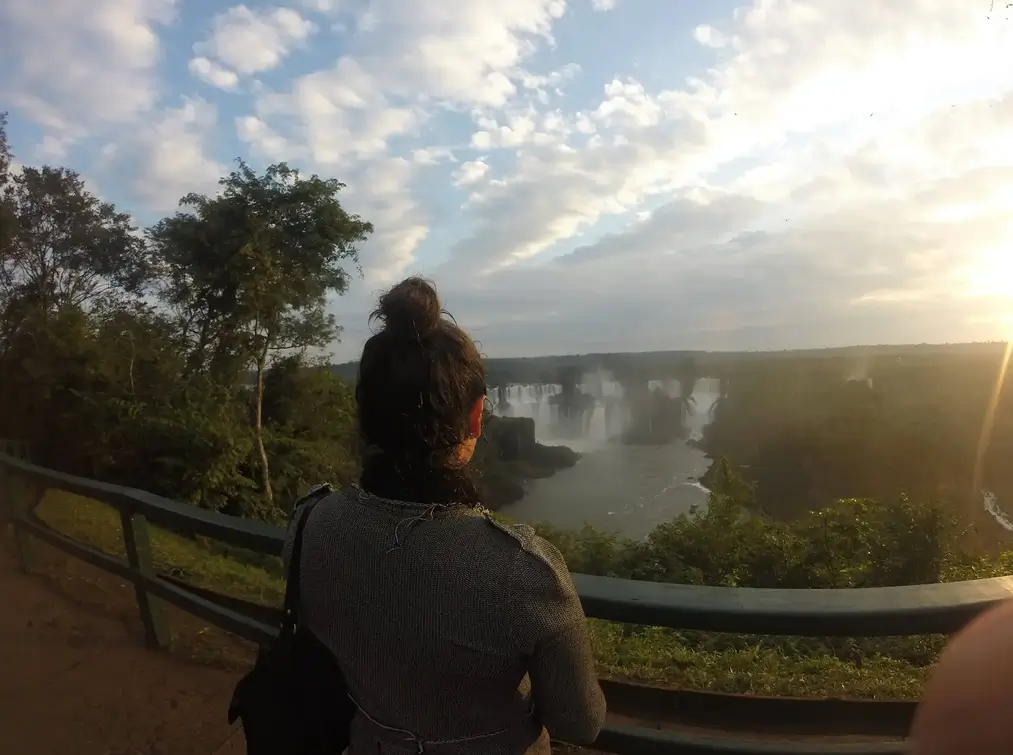
I believe that travel is an act of profound exchange, and at Fauna, I guide that exchange through mindfulness. More than simply avoiding negative impacts, my philosophy embraces Regenerative Tourism.
I believe that you, as a conscious and informed traveler, don’t just want to “avoid polluting”; you want your presence to be a catalyst for life in the destination.
My thoughtful curation selects partners who are, above all, guardians of their territories.
When you choose to stay with me or participate in an experience with me, you’re supporting initiatives that preserve ancestral knowledge and strengthen circular economies.
For me, regeneration isn't just the future of hospitality; it's my commitment right now. It's the difference between being an observer and becoming, together with you, part of a place's healing.
It is this depth that transforms a simple stay into a “meeting of souls”—one of the pillars we champion with sensitivity in our curatorial work.
Expertise and the Science of Sensitive Curation
My expertise isn't measured by the number of tickets I issue, but by the harmony I create between you and your destination. Through my Annual Travel Plan, I take a strategic approach that respects your time.
For me, planning ahead isn’t just about logistics; it’s a way to honor the stillness needed for an experience to truly touch your soul. Every itinerary I design is a unique blend of “calm and soul.” I replace the rush of mass tourism with slow travel experiences, where the luxury I offer lies in silence, in authentic encounters, and in the discovery of secrets that no conventional guidebook reveals.