
Have you ever stopped to think about what makes a destination truly sustainable? Sometimes, it’s not just the unspoiled landscape or the absence of crowds. It’s the sum of choices—public policies, community practices, and individual attitudes—that allow a city to continue to thrive for both residents and visitors.
Ljubljana, the capital of Slovenia, is one such emblematic example.
Since 2016, when it was named the European Green Capital, the city has established itself as a living laboratory for urban solutions. Entire streets have been closed to cars, the historic center has become 100% walkable, and air quality has visibly improved. Sustainable mobility—bicycles, electric transportation, walking routes—is not a trend: it’s the norm.
But the impact goes beyond mobility.
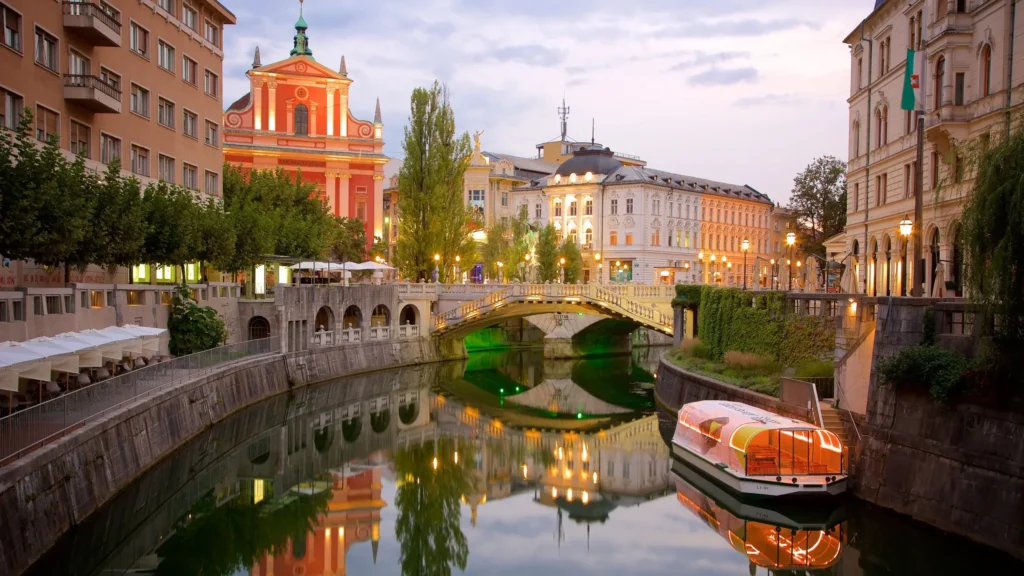
Waste management has reached levels of excellence, with a recycling system that engages residents and visitors in a simple and efficient way. The culinary offerings prioritize local ingredients, reducing the carbon footprint and supporting small-scale producers around the capital. The revitalization of the banks of the Ljubljanica River has transformed a former, run-down corridor into spaces for social interaction, public art, and nature integrated into daily life.
The most interesting thing is that none of this feels contrived. As you walk through the city, you sense that there is a collective, silent, yet consistent commitment to making it better every day. And that brings us to a fundamental reflection:
What makes a trip leave a positive legacy?
Part of it is about the destination we choose. But the other part is about how we choose to experience it. Cities like Ljubljana remind us that tourism can, in fact, be a regenerative force. When we travel to a place that invests in green policies, we directly support its sustainability. When we buy locally, we strengthen economies that respect their environment. When we choose to walk, bike, observe, and understand, we align ourselves with a gentler way of discovering the world.
Ljubljana is proof that sustainability isn’t some distant concept—it’s part of daily life, a vibrant city, a real-life experience.
And perhaps that is precisely what makes destinations like this so inspiring: they aren’t just “beautiful”; they are authentic. And they invite us—without haste or pressure—to travel with greater awareness, greater presence, and greater purpose.
Practical information:
When to Go
Ljubljana is at its most charming between May and September, when the days are long, bright, and perfect for enjoying the outdoors—riverfront cafés, vibrant parks, and cultural events.
Fall (October) also enchants with its ochre hues and a more introspective pace, ideal for walks, museums, and fine dining.
When to Avoid
February is the coldest and gloomiest month, with frequent rain, little sunlight, and less urban activity. If you choose to visit during this time, be prepared for shorter days and more indoor activities.
How long to stay
We recommend 3 to 5 nights—the ideal amount of time to leisurely explore the city’s neighborhoods, parks, museums, and markets, and take day trips to nature spots such as:
- Lake Bled (40 minutes)
- Lake Bohinj and Triglav National Park (1 hr 20 min)
- Postojna Cave and Predjama Castle (1 hour)
For anyone who suggests
- Contemplative travelers,
- Couples in a romantic relationship,
- Families looking for culture and tranquility,
- People who appreciate a slower pace of life, human-scale urban design, and unhurried conversations
If you're one of those people or if this destination appeals to you, contact us and plan your next trip.